Diagnostics
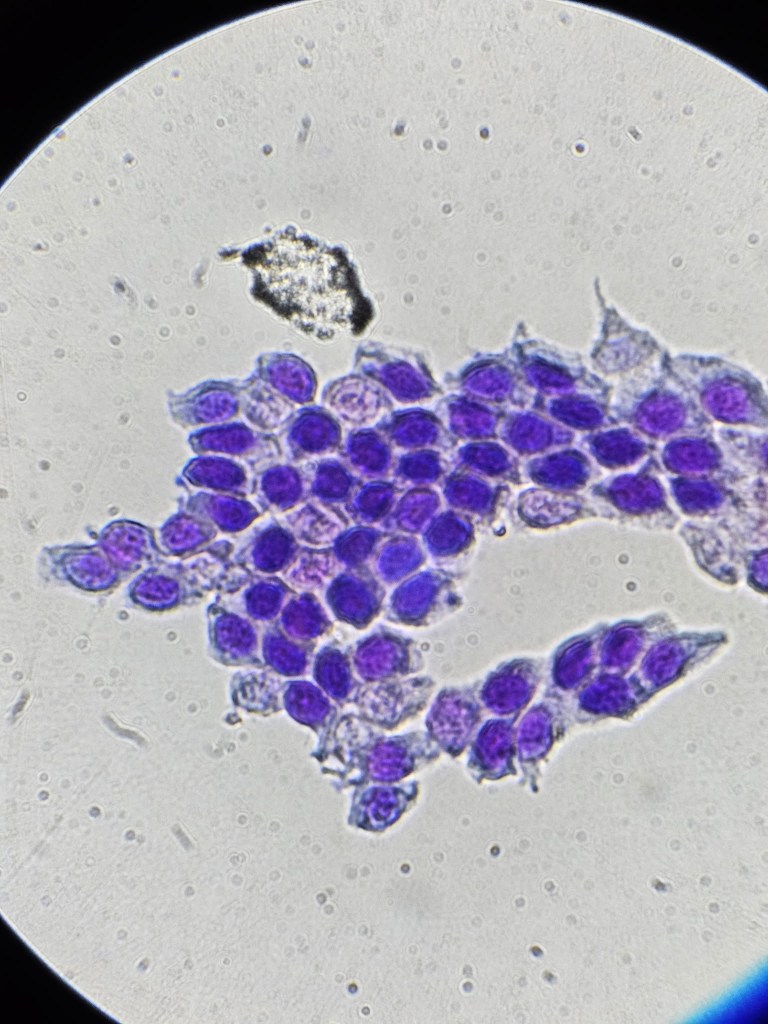
Microscopic examinations are an important part of our in-house diagnostics. By evaluating ear cytologies, we can identify yeast, bacteria, and inflammatory cells that cause chronic ear infections and discomfort. Urine samples are examined for crystals, cells, and bacteria to help diagnose urinary tract infections, bladder stones, and other kidney or bladder diseases. Fine needle aspirates, taken with a small needle from lumps, masses, and lymph nodes, allow us to study individual cells for signs of inflammation, infection, or cancer. These minimally invasive tests give us rapid, detailed information so we can tailor the most appropriate treatment for your pet.”
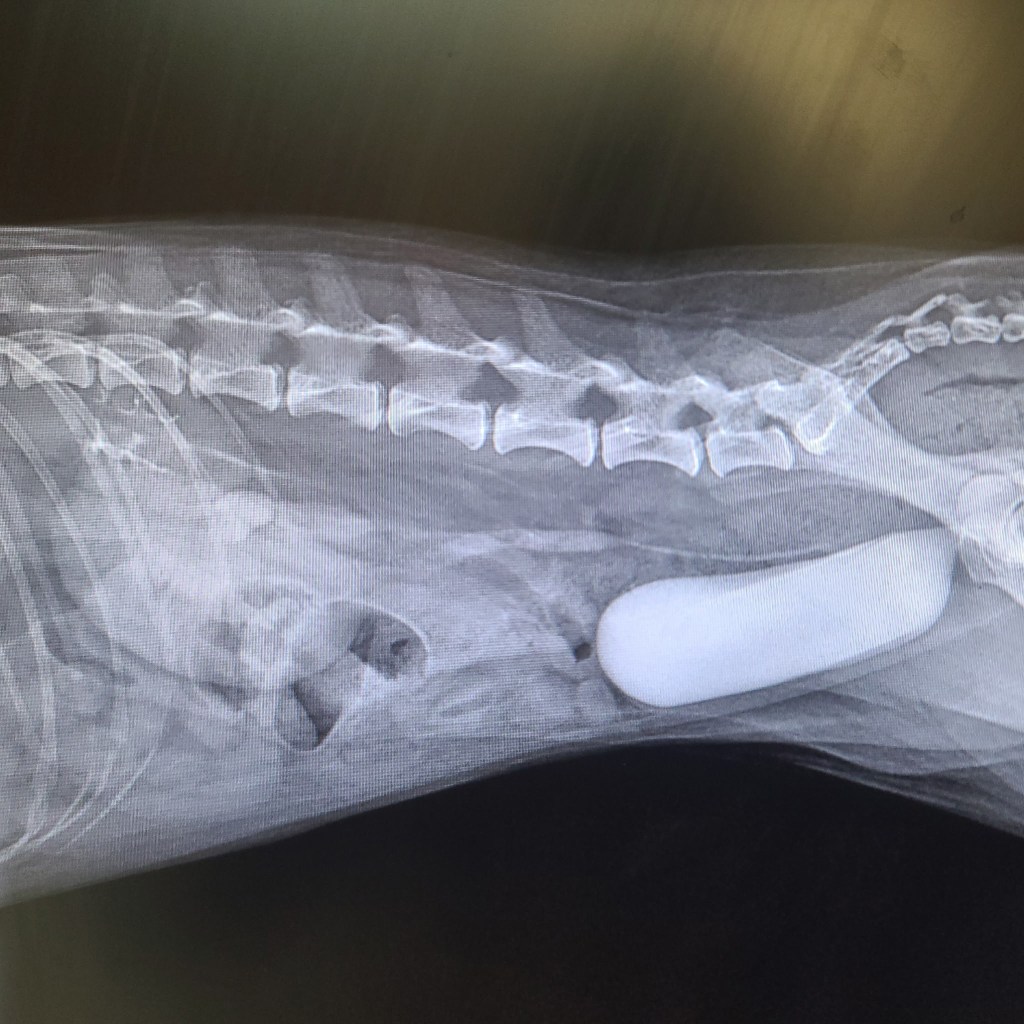
Radiography (X‑rays) is a safe, noninvasive way for us to look inside your pet’s body and see structures we can’t evaluate on a physical exam alone. In small animals, X‑rays are commonly used to assess bones and joints for fractures, arthritis, or developmental problems; to examine the chest for heart enlargement, fluid, or lung disease; and to evaluate the abdomen for foreign objects, tumors, organ enlargement, or blockages. Digital radiographs can be taken quickly and with minimal stress, allowing us to make faster, more accurate diagnoses and start appropriate treatment sooner. In many cases, radiography helps us avoid more invasive procedures and provides an essential first step in planning surgery or advanced care for your pet
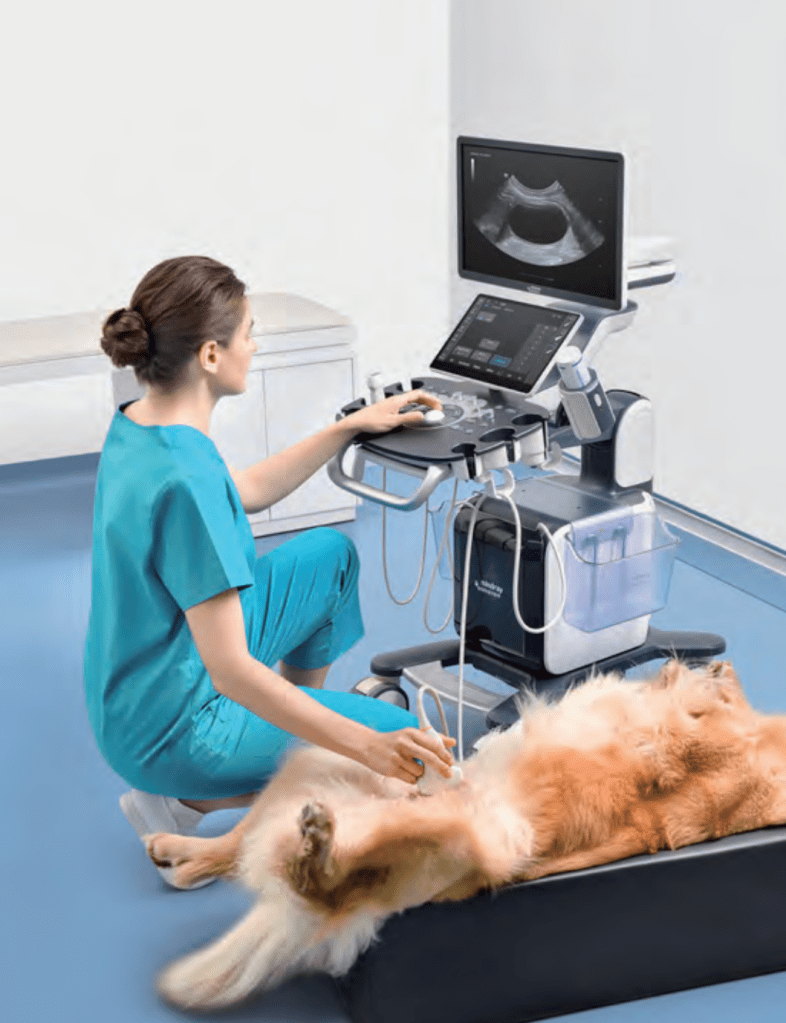
“Smith Veterinary Hospital offers advanced ultrasound imaging for dogs and cats to help us diagnose problems quickly and comfortably. Ultrasound allows our veterinarians to look in real time at the organs in your pet’s abdomen, including the liver, spleen, kidneys, bladder, stomach, and intestines, as well as evaluate the heart and monitor pregnancy. This noninvasive technology helps us detect conditions such as tumors, fluid accumulation, bladder stones, intestinal disease, and cardiac abnormalities without surgery. Our trained team uses ultrasound to guide certain procedures, such as fluid taps or needle aspirates, improving safety and accuracy. By combining ultrasound with a thorough physical exam and other in-house tests, we can create a more complete picture of your pet’s health and develop a targeted treatment plan.”
Having in-house laboratory testing at Smith Veterinary Hospital allows us to get answers quickly when your pet is sick or needs urgent care. Complete blood counts (CBC) help us evaluate red and white blood cells and platelets, which can reveal infection, inflammation, anemia, and problems with clotting. Chemistry panels assess organ function—such as liver, kidneys, electrolytes, and blood sugar—so we can detect conditions like kidney disease, diabetes, or liver disorders and monitor pets on long-term medications. We also run in-house progesterone testing for breeding females, which helps accurately time breeding, confirm ovulation, and support healthy pregnancies. Because these tests are performed on-site, results are often available the same day, allowing us to make faster, more informed treatment decisions and provide timely care for your pet.”
 Smith Veterinary Hospital